
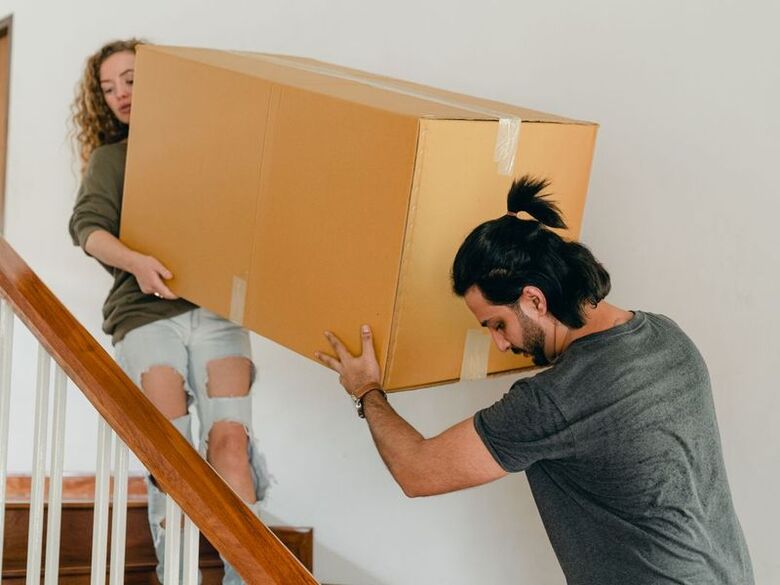
A District rowhouse is a wonderful place to live and a genuine puzzle to move into. The same things that give these blocks their charm, the brick stoops, the narrow front steps, the tight one-way streets with cars nose to tail, are the things that turn a moving day into a craft rather than a chore. No driveway exists to back into and rarely an alley wide enough for a truck, the interior stairs were framed long before anyone owned a sectional sofa, and half of Capitol Hill hides a finished English basement with its own awkward entrance. Marcus Payne grew up in Northeast DC and has worked these houses since founding the company in 2012, so the crew that pulls up to your stoop has already thought through the corner your couch must clear. Here is what sets a rowhouse move apart, and how we get your things in without a scrape.
Why a Rowhouse Move Is Its Own Thing
The District housing stock was built for an earlier century, and nearly every quirk of it surfaces the day you move in. The pieces that decide how the job goes:
- The front stoop and steps. Most rowhouses sit a few feet up from street level, so everything climbs a brick stoop before it even reaches the door. Wet leaves and winter ice make these the very first thing our crew secures.
- Narrow, steep interior stairs. The run from the parlor floor to the bedrooms is often steep with a tight turn at a landing, the spot where a box spring or a dresser has to be angled just so or taken apart.
- No driveway, no alley. The truck lives at the curb out front, which is why the parking sign and a reserved run of curb matter so much on these blocks.
- The English basement. A separate below-grade unit, common on the Hill and in Shaw, usually has its own front-area stair down from the sidewalk, a tight, walled descent that asks for careful footing and short carries.
How Each Neighborhood Reads
No two District blocks move the same way, and our crew leads scout the specifics before the date. A few of the patterns we know well:
| Neighborhood | The Challenge | How We Handle It |
|---|---|---|
| Capitol Hill | Tall stoops, English basements, tight curbs | Reserved curb, short relay carries, ramps |
| Shaw & Logan Circle | Steep interior stairs, no alley access | Leg-off disassembly, stair runners, count carries |
| Columbia Heights | Brick walk-ups, one-way streets, busy curbs | Early No-Parking sign, extra hands on stairs |
| Georgetown | Cobblestones, no Metro, permit-only parking | Tight-spot truck staging, careful curb timing |
What runs through every one of these blocks is simple: the building dictates our approach, and we work backward from it. Our crew leads scout each address up front, position the truck where the haul is shortest, and field the number of hands the load and the staircase honestly demand.
When the Truck Cannot Reach the Door
On the tightest blocks, a one-way rowhouse street parked solid or a Georgetown cobblestone lane, even a 26-foot truck cannot always pull up clean to the stoop. That is when a shuttle comes in. We park the big truck where it legally fits and run a smaller vehicle, or a relay of dollies and a tight curb reservation, in to the door. It adds a little time, but it keeps the truck off a blocked street and your furniture out of a long, exposed haul. We build this into the plan at the estimate so nothing surprises you. The reserved curb that makes it all work is the Temporary No-Parking sign our office files ahead of time.

How We Protect a Historic House
These houses have plaster walls, original trim, and stair treads worth keeping intact, so the protection goes down before the first box comes in. The sequence on a rowhouse move:
- Cover the path. Floor runners over the hardwood, pads on the newel post and the doorframes, and corner guards on the tightest turns before anything moves.
- Take the trouble pieces apart. Bed frames, table legs, and anything wider than the narrowest turn come apart at the start and go back together upstairs, so nothing forces a wall on the way up.
- Carry on a count. On the stoop and the interior stairs, one mover bears the load below and another guides above, moving together so the weight stays controlled the whole climb.
- Stage by room. Boxes land in the room they belong in, not the front hall, so the house is livable the moment we pull away.
Getting Ready for Your Rowhouse Move
A little prep on your end makes the whole day faster and cheaper. Before we arrive:
- Confirm the parking sign is posted on the block, or let us file it so the curb at your stoop is reserved
- Measure your largest pieces against the front door, the tightest interior turn, and the stairwell width
- Clear the stoop and the entry of plants, mats, and anything underfoot, and salt it in winter if there is any ice
- Label boxes by room so the crew stages them straight to the right floor instead of the hall
I have been hauling furniture up District stoops since before I had my own truck, and a rowhouse is still the job I respect most. The doorway almost never stops you; what stops you is the turn just past it and the staircase beyond that. So we study the house first, guard the trim, break the bulky pieces down, and claim the curb out front. Get that right and a century-old place on the Hill swallows a full load without a single scuff. We like to say we take the Payne out of moving. — Marcus Payne, owner
Payne Free Moving is a licensed and insured mover with US DOT and MC authority, registered to operate across the District, Maryland, and Virginia, and $1M cargo coverage, running its own crews and trucks out of Northeast DC with nothing subcontracted. We move rowhouses, walk-ups, high-rise condos, and offices alike, and we handle the parking permit as part of the job. See how a household move runs on the local moving page, apartments and condos on the apartment moving page, and the neighborhoods we cover on the service areas page.
Frequently Asked Questions
How do you move furniture into a narrow DC rowhouse?
We scout the front stoop, the door, and the tightest interior turn first, protect the floors and trim, and take the wide pieces apart so nothing forces a wall on the way up. Furniture is carried on a count on the stoop and the stairs, and staged straight to the right room.
What if the truck cannot fit on my street?
On a tight one-way rowhouse block or a Georgetown cobblestone lane, we park the big truck where it legally fits and shuttle to the door with a smaller vehicle or a dolly relay and a reserved curb. We plan this at the estimate, so it never surprises you on move day.
Can you move a piece into an English basement?
Yes, all the time on the Hill and in Shaw. The below-grade entry stair is tight and walled, so we use short, controlled carries, take legs off where the turn demands, and protect the descent. Measure the largest pieces against that entry beforehand and flag anything oversized.
Do I need a parking permit for a rowhouse move?
On most District rowhouse blocks, yes, because there is no driveway or alley and the curb is zoned and full. A Temporary No-Parking sign reserves the spot at your stoop. Our office files and posts it ahead of time so the truck has room out front.
How do you protect old floors and trim during a move?
Floor runners go over the hardwood, padding on the newel post and doorframes, and corner guards on the tightest turns before any box comes in. Wide pieces come apart so they never scrape a wall, and the load stays controlled on the stairs.
Moving Into a DC Rowhouse? Let’s Plan It Right
Tell us the neighborhood, the floor, the stoop, and your largest pieces, and we will scout the stairs, reserve the curb, and put a flat figure on paper. Your historic house gets the careful crew it deserves.